



Audits don’t usually create problems.
They reveal them.
A missing inspection record.
A delayed corrective action.
An incomplete asset history.
These are not isolated issues.
They are signs of a system where visibility breaks.
Across Indian manufacturing plants, facilities, and field operations, compliance pressure is increasing.
But most operational gaps don’t start during audits.
They start long before.
The Real Problem Is Not Inspections
Most teams are already conducting inspections.
That is not the issue.
The real problem starts after the inspection is completed.
- Is the issue tracked to closure?
- Is ownership clearly defined?
- Can leadership see what’s still open?
- Can audit records be retrieved instantly?
When the answer is unclear, compliance risk starts building.
Where Compliance Workflows Break
1. Follow-Up Depends on Manual Tracking
Issues are identified.
But follow-up depends on calls, reminders, and emails.
Ownership shifts.
Closure slows.
2. Coordination Moves to WhatsApp
Photos are shared.
Updates happen in groups.
But there is no structured tracking.
3. Inspection Records Stay in Excel
Inspection logs exist.
Maintenance records exist.
But they are not connected.
4. Work Order Visibility Is Limited
Tasks are assigned.
But supervisors cannot see real-time status.
5. Audit Preparation Becomes Manual
Teams collect files, reports, and approvals manually.
Audit readiness becomes reactive.
Operational Check (Save-Worthy)
Before your next audit cycle, ask:
- Can every issue be tracked from inspection to closure?
- Can leadership see compliance status in real time?
- Can audit records be retrieved instantly?
If not, compliance gaps already exist.
Business Consequences
These gaps create:
- Compliance pressure
- Operational delays
- Maintenance backlog
- Audit stress
- Accountability breakdown
Operational Insight
This is not an effort problem.
This is not a documentation problem.
This is a visibility problem.
When inspections, work orders, and records are disconnected:
Compliance breaks.
What Actually Improves Audit Readiness
Audit readiness improves when workflows are connected.
- Inspection data is captured instantly
- Issues convert into actionable work orders
- Ownership is visible
- Progress is trackable
- Records stay audit-ready
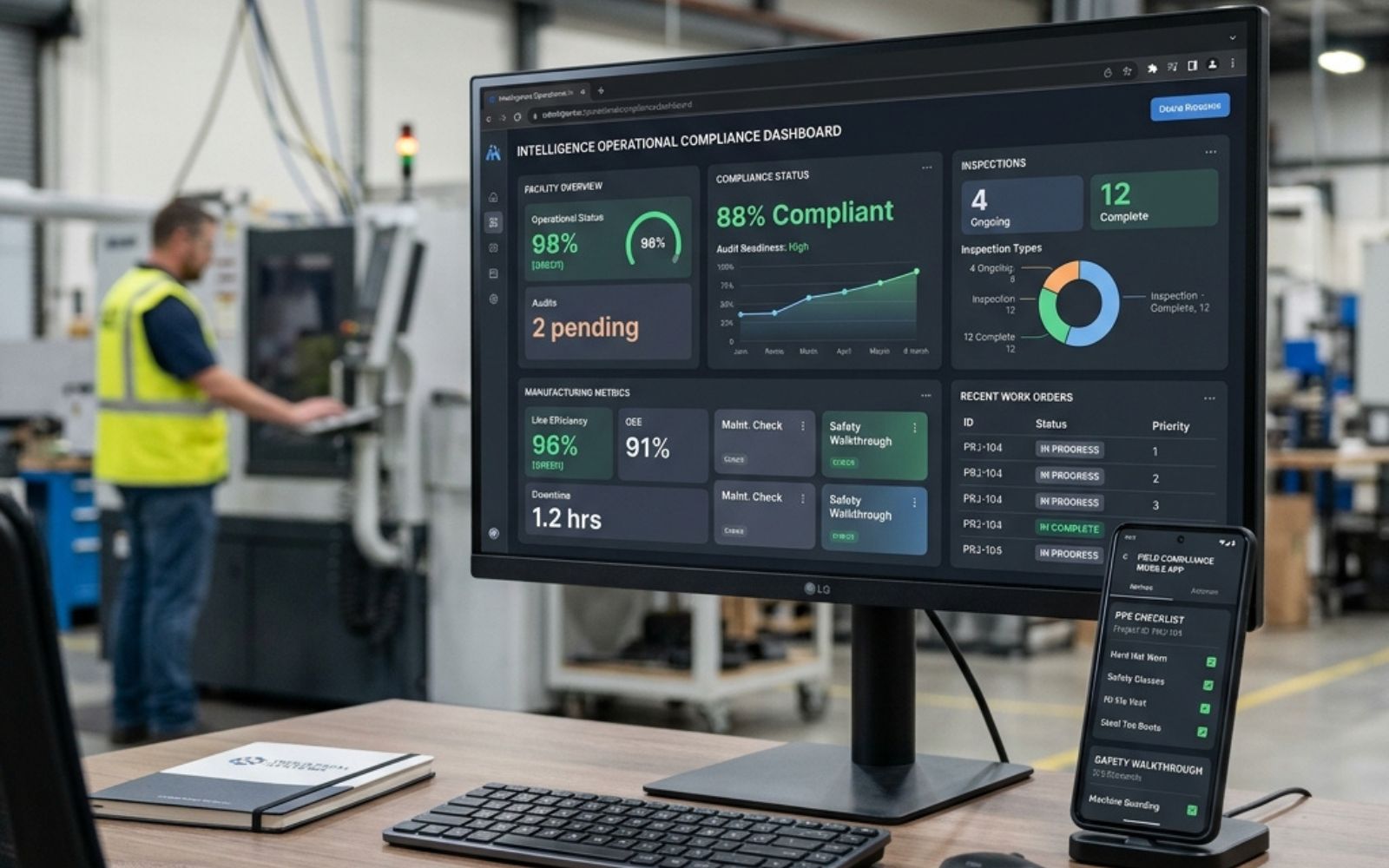
How Modern Compliance Management Systems Work
A compliance management system connects:
- Inspections
- Work orders
- Assets
- Corrective actions
- Compliance records
Into one structured workflow.
This allows:
- Real-time tracking
- Centralized records
- Faster issue closure
- Continuous audit readiness
Where Zamorins Solutions India Fits
Most systems focus on recording compliance.
Zamorins focuses on what happens after reporting.
Because that’s where compliance gaps form.
Zamorins connects:
- Inspections
- Asset records
- Work orders
- Compliance workflows
Into one operational system.
So teams don’t just prepare for audits.
They stay ready.
Outcomes
- Faster issue closure
- Stronger compliance readiness
- Better maintenance visibility
Supervisors see what’s pending.
Teams act faster.
Audits become easier.
Strategic Shift
Compliance is no longer just documentation.
It is operational visibility.
Organizations that improve visibility:
Improve compliance automatically.
👉 Explore how Zamorins Solutions India helps industrial teams improve audit readiness through connected workflows.
FAQs
1. What is a compliance management system?
A system that helps manage inspections, audits, work orders, and compliance records in one centralized workflow.
2. How does it improve audit readiness?
By connecting inspections to corrective actions and maintaining real-time audit-ready records.
3. Why are spreadsheets not enough?
They lack real-time visibility and create fragmented records across teams.
4. Which industries benefit most?
Manufacturing, facilities, utilities, construction, and asset-heavy operations.
5. What should businesses prioritize?
Mobile access, real-time visibility, work order tracking, and centralized records.
Related Posts
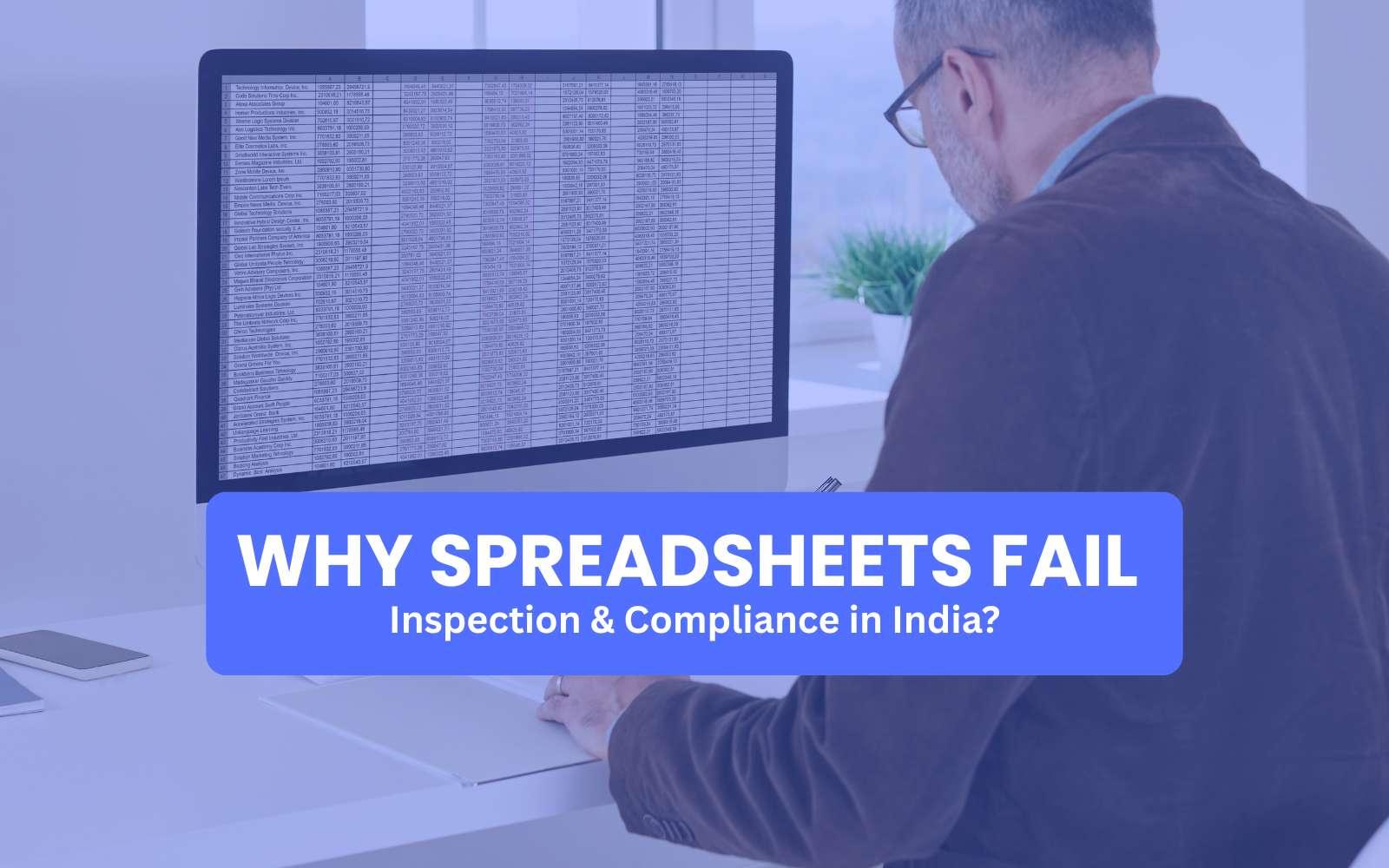
Why Spreadsheets Fail Inspection & Compliance in India?
Still managing inspections and compliance using spreadsheets? Discover how this creates delays, risks, and audit…
Why Custom Software Development Is the Growth Engine for Indian Startups and SMEs in 2025
Table of Content Introduction: The Rise of Tailored Tech What Is Custom Software Development? Why…
Top 5 AI Tools Every Software Company Should Adopt This Year
Artificial intelligence (AI) is no longer merely a buzzword. For software firms looking to increase…
The Role of Custom Software in Driving Business Growth
Think your generic software will keep pace with your expanding business? Think again. In India’s…