

Better Decisions Don't Start in the Boardroom.

They start on the shop floor.

A production line begins running below its normal speed.

Maintenance notices an increase in equipment breakdowns.

Quality detects a rise in rejected products.

Inventory starts falling behind schedule.

Each department sees part of the problem.

No one sees the whole picture.

By the time leadership receives a report, production targets have already been missed.

The challenge isn’t making decisions.

It’s making them before small operational issues become expensive business problems.

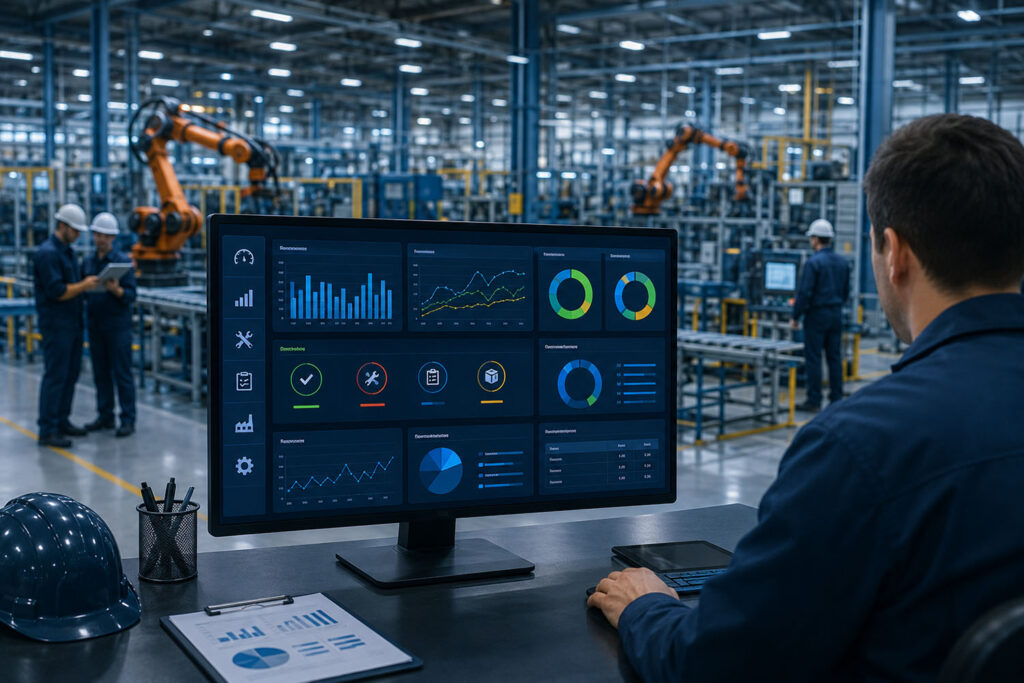
That’s why operations software dashboards have become one of the most valuable tools for modern manufacturing leaders.

The goal isn’t simply to display data.

It’s to provide the visibility needed to act while there is still time to change the outcome.

Manufacturing Operations Have Changed

Modern manufacturing is no longer driven by production alone.

Every shift depends on multiple teams working together.

Production.

Maintenance.

Quality.

Inventory.

Procurement.

Compliance.

Logistics.

Planning.

Each department generates valuable operational information.

Unfortunately, that information often lives in separate systems.

Excel spreadsheets.

Emails.

Paper inspection reports.

Standalone maintenance applications.

Disconnected ERP modules.

The result isn’t a shortage of data.

It’s a shortage of connected visibility.

The Real Problem Isn't Data

Walk into almost any manufacturing facility and you’ll find plenty of information.

Production numbers.

Machine performance.

Inspection reports.

Maintenance logs.

Inventory updates.

Customer demand forecasts.

Most organizations already collect what they need.

The challenge is connecting it.

Without centralized visibility:

  • Production managers don’t know why output has slowed.
  • Maintenance teams struggle to prioritize equipment issues.
  • Plant managers receive conflicting reports.
  • Executives rely on yesterday’s information.
  • Decisions become reactive instead of proactive.

This isn’t a reporting problem.

It’s an operational visibility problem.

Why Traditional Reporting Falls Short

Monthly reports once supported effective management.

Weekly reports improved responsiveness.

Today, even daily reports can be outdated.

Imagine a production line slowing at 10:00 a.m.

If leadership learns about the issue at 5:00 p.m., the opportunity to prevent lost production has already passed.

Modern manufacturing requires leaders to see operations as they happen—not after they happen.

Real-time visibility changes the role of leadership.

Instead of asking,

“What happened yesterday?”

They begin asking,

“What needs attention right now?”

zamorins-solutions-blog- Real-Time Operations Software

A Real-World Manufacturing Scenario

Imagine a manufacturer operating five production plants across India.

Each facility tracks production independently.

Maintenance uses separate software.

Quality inspections are stored in spreadsheets.

Inventory updates come from another application.

Every department performs well within its own area.

But no one sees how those activities affect the overall operation.

One critical production machine begins failing repeatedly.

Maintenance notices more repair requests.

Production notices slower throughput.

Quality detects increasing defects.

Leadership doesn’t connect the pattern until customer deliveries begin slipping.

The equipment wasn’t the problem.

The lack of connected visibility was.

Five Operational Breakdowns Dashboards Expose

Disconnected workflows create delays that often remain hidden until performance suffers.

Common examples include:

  • Production losses identified after the shift ends.
  • Maintenance priorities based on assumptions instead of real-time conditions.
  • Inspection findings remaining isolated from operational planning.
  • Inventory shortages discovered too late to prevent delays.
  • Executives reviewing historical reports instead of live operational data.

Each issue may appear minor.

Together, they slow decision-making across the organization.

What Operations Software Dashboards Really Deliver

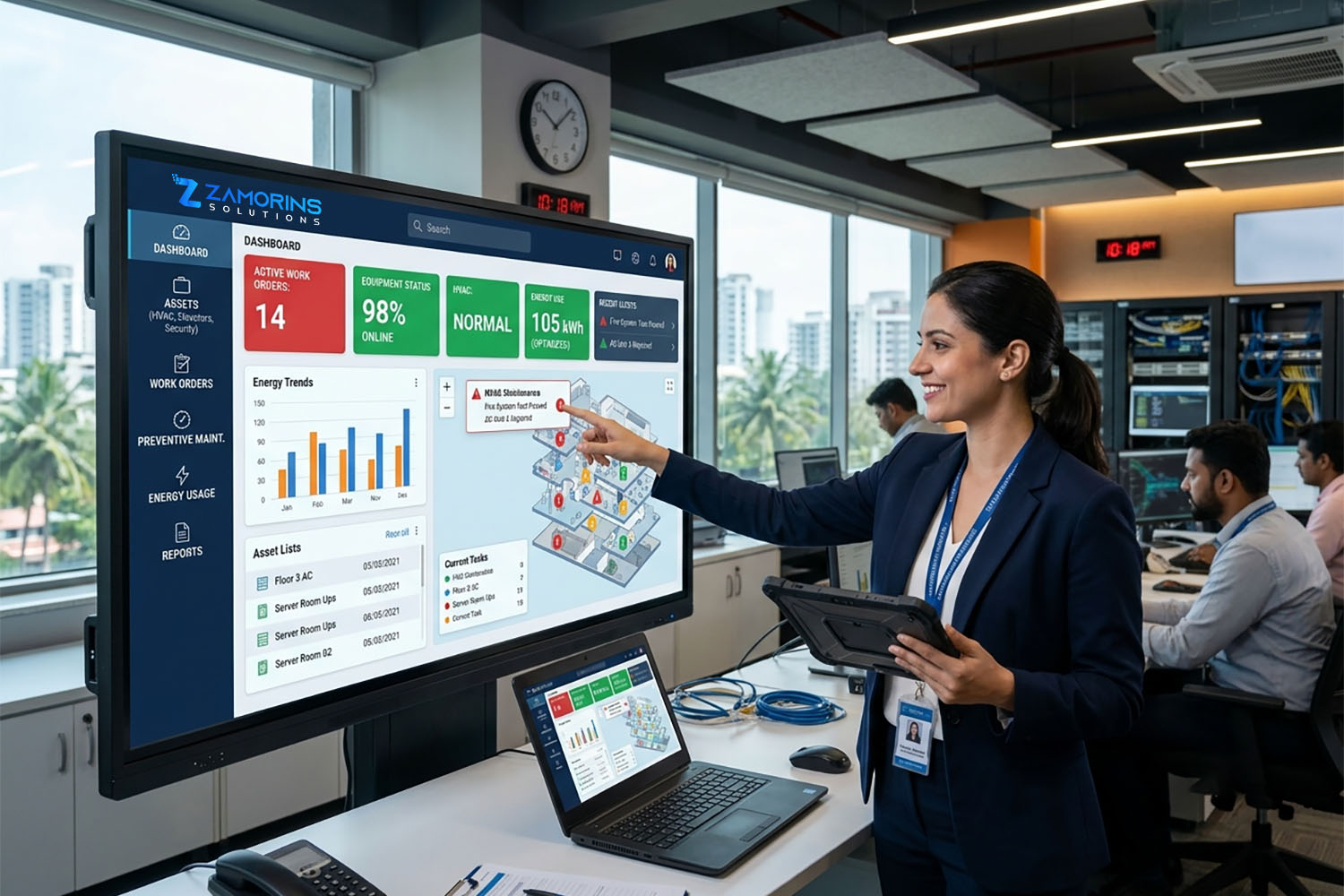
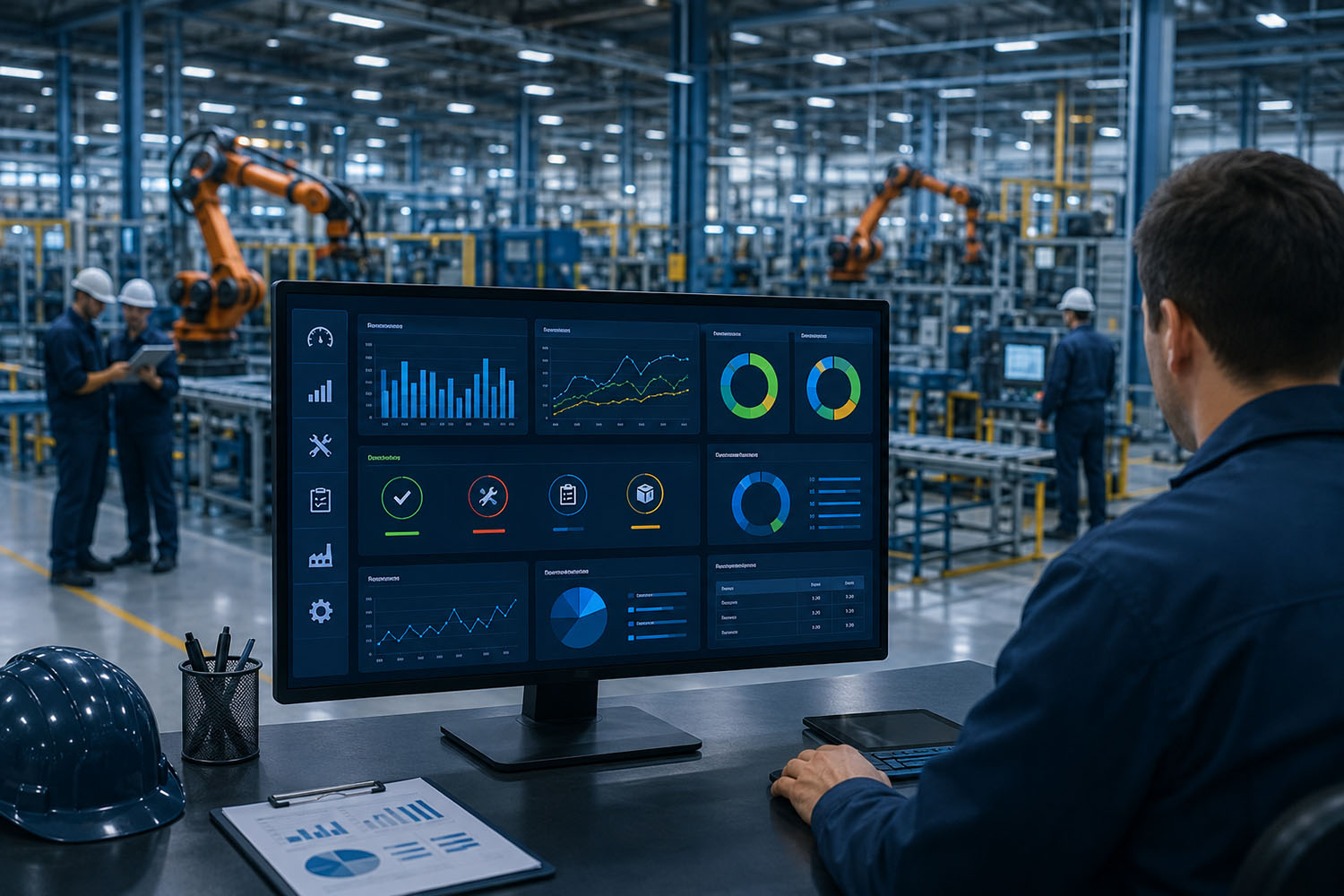
Modern operations software dashboards provide far more than visual reports.

They create one operational view of the business.

Production performance.

Asset health.

Maintenance activities.

Quality metrics.

Inventory levels.

Compliance status.

Work orders.

Resource utilization.

Instead of switching between multiple systems, leaders gain immediate visibility across every operational function.

The objective isn’t more dashboards.

It’s better decisions.

From Reporting to Operational Intelligence

A dashboard becomes valuable when it changes behaviour.

Imagine a machine beginning to experience more frequent maintenance events.

Instead of waiting for equipment failure, the dashboard highlights the trend immediately.

Maintenance schedules corrective action.

Production adjusts planning.

Leadership monitors progress.

Downtime is avoided.

That is the difference between reporting and operational intelligence.

zamorins-solutions-blog- Real-Time Operations Software

Best Practices for Successful Implementation

Organizations achieving the greatest value from manufacturing operations management software follow a structured approach.

Define Operational Objectives

Focus on measurable business outcomes such as:

  • Reduced downtime
  • Improved production efficiency
  • Better asset utilization
  • Faster issue closure
  • Stronger compliance
Centralize Information

Bring production, maintenance, inspections, quality, inventory, and asset information into one connected platform.

Prioritize Actionable KPIs

Effective dashboards answer operational questions.

They don’t overwhelm users with data.

Enable Mobile Visibility

Leaders should have access whether they’re on the production floor, visiting another facility, or meeting with customers.

Review Performance Continuously

Daily operational visibility creates continuous improvement.

Why Connected Operations Matter

Manufacturing leaders no longer manage individual departments.

They manage connected operations.

An effective operational management system links production, maintenance, inspections, compliance, assets, and reporting into one operational workflow.

When integrated with business operations software, every department works from the same source of truth.

That consistency improves collaboration, accountability, and decision-making.

The Role of Sales and Operations Planning

Manufacturing decisions extend beyond production.

Customer demand.

Supplier schedules.

Capacity planning.

Inventory.

Sales forecasts.

All influence operational performance.

When sales and operations planning software integrates with operational dashboards, organizations can:

  • Improve forecasting
  • Balance inventory
  • Reduce excess stock
  • Improve delivery performance
  • Respond faster to changing market demand

Better planning begins with better visibility.

Where Zamorins Solutions Fits

At Zamorins Solutions India, we help manufacturers connect operational information into one intelligent platform.

Our solutions combine:

  • Real-time operations software dashboards
  • Asset management
  • Work order tracking
  • Digital inspections
  • Maintenance management
  • Compliance monitoring
  • Mobile-first field applications

Instead of managing disconnected systems, manufacturing leaders gain one connected operational view that supports faster, more confident decision-making.

Leadership Takeaway

High-performing manufacturers don’t make better decisions because they receive more reports.

They make better decisions because they reduce the time between seeing a problem and acting on it.

The competitive advantage isn’t more data.

It’s connected operational visibility.

From the Factory Floor

Every manufacturing plant collects operational information.

The organizations that consistently outperform competitors aren’t collecting more data.

They’re connecting production, maintenance, quality, inventory, and planning into one operational story.

When everyone works from the same version of the truth, decisions become faster, accountability becomes clearer, and operational excellence becomes repeatable.

Manufacturing is becoming more connected, more competitive, and more data-driven.

Leaders can no longer rely on yesterday’s reports to manage today’s operations.

Real-time operations software dashboards provide the visibility needed to improve productivity, reduce downtime, strengthen collaboration, and make faster operational decisions.

Combined with manufacturing operations management software, an operational management system, and business operations software, dashboards become more than reporting tools.

They become the foundation for smarter manufacturing.

If your manufacturing operations still rely on spreadsheets, disconnected reports, or delayed updates, it may be time to rethink how decisions are made.

Zamorins Solutions India helps manufacturers connect production, maintenance, inspections, assets, and compliance through intelligent operations software dashboards that provide real-time visibility across every facility.

Discover how connected operations can help your team make faster, better-informed decisions

Frequently Asked Questions

1. What are operations software dashboards?

Operations software dashboards provide real-time visibility into production, maintenance, assets, work orders, compliance, and key performance indicators through a centralized operational view.

2. How do manufacturing operations management software and dashboards work together?

Manufacturing operations management software captures operational data, while dashboards transform that information into actionable insights that help leaders monitor performance and respond quickly.

3. Why should manufacturers invest in an operational management system?

An operational management system connects departments, automates workflows, improves visibility, and supports faster, data-driven decision-making.

4. Can business operations software improve decision-making?

Yes. Business operations software centralizes operational information, giving leaders timely, reliable insights that improve productivity, reduce downtime, and strengthen collaboration.

5. What are the benefits of integrating sales and operations planning software with operational dashboards?

Integrating sales and operations planning software aligns production with customer demand, improves forecasting, optimizes inventory, and strengthens operational planning across the organization.

Related Posts